
WFA Phone Initiative
Shielding Hearts in a Connected World
Wiqayah Family Alliance equips Muslim families to navigate phone use with īmān, mercy, and wisdom. We advance a prevention-first approach—prioritizing delay, limits, and purposeful use—so children’s fitrah, character, and learning can thrive. Through parent training, youth programs, community pledges, and chapter support, we translate prophetic guidance into practical routines: balanced schedules, mindful media, and adab online and offline. InshaAllah, We hope to partner with masājid and community organizations to encourage phone-free prayer spaces and shared standards that reduce pressure on parents and kids. Our goal is not withdrawal, but directed engagement that keeps hearts present in the masjid, safe at home, and strong in their skills and faith.
Community-powered prevention for screen-wise, faith-strong families.
8 Reasons We’re Choosing Wiqayah
Research-backed facts on why we delay smartphones, limit apps, and protect the fitrah of our children.
Problematic Phone Use Is Common – And Tied to Depression & Anxiety
A major review found that about 1 in 4 young people meet criteria for problematic smartphone use, and this is linked to 3× higher odds of depression and anxiety, plus poorer sleep. BioMed Central+1
For Muslim kids: when phones become an addiction, it doesn’t just hurt mood—it also crowds out salah, Qur’an, family time, and community life.
More Screen, Less Sleep – And Less Emotional Stability
Screen use, especially at night, delays bedtime, disrupts circadian rhythms, and reduces sleep quality in children and teens. PMC+1
Poor sleep is strongly linked to depression, anxiety, behavior problems, and weaker attention. Frontiers+1
For Muslim kids: this can affect Fajr, energy for school and Islamic studies, and the calm needed for good akhlāq at home.
Social Media Use Raises Risk of Self-Harm & Suicidality
Studies show teens who spend 3+ hours daily on social media have about double the risk of mental health problems and higher risk of self-harm. Nature+1
Reviews find that youth who self-harm are more active on online networks, and exposure to self-harm content can trigger urges and behaviors. PMC+1
The U.S. Surgeon General warns that current social media use is not proven safe and carries “profound risk of harm” for youth. HHS+1
For Muslim kids: this risk stacks on top of identity stress, Islamophobia, and cultural pressure.
Addictive Patterns Matter More Than Just “Hours”
A recent longitudinal study of >4,000 teens found that youth with addictive-style screen use (can’t stop, distressed without it) were 2–3× more likely to have suicidal thoughts and serious emotional problems—regardless of total time. The Guardian+1
For Muslim kids: addictive use can pull them away from family, community, and worship, while also feeding haram or harmful content in secret.
Phones Hurt Learning, Memory & Focus
Recent research in thousands of 9–11-year-olds found heavy social media use is linked to worse reading, memory, and vocabulary scores, with kids using it 3+ hours a day scoring up to 5 points lower on cognitive tests. New York Post+1
For Muslim kids: this can weaken both dunyā (school success, concentration) and dīn (focus in Qur’an, ability to retain knowledge).
Online Islamophobia and Cyberbullying Hit Muslim Youth Hard
Muslim children report high rates of bullying and cyberbullying because of their faith; one report found about half of Muslim students had been bullied, and nearly 1 in 5 experienced Islamophobic cyberbullying. Quod Library+1
Islamophobia increases the risk of bullying victimization and ongoing psychological stress for Muslim youth. ScienceDirect+1
Phones make this constant—abuse can follow them home in their pocket.
Harmful Content Directly Conflicts With Islamic Values
Teens are frequently exposed online to pornography, violence, self-harm, and substance content, which is linked to riskier behaviors and distorted beliefs. Jah Online+1
Algorithms can push increasingly extreme or sexualized content, even when teens aren’t searching for it. ScienceDirect+1
For Muslim kids: this clashes with ḥayā’, modesty, and Islamic sexual ethics, introducing shame, secrecy, and spiritual numbness.
Reducing Screen Use Actually Improves Behavior & Relationships
A 2024 randomized trial showed that reducing screen media use led to fewer internalizing problems (like anxiety/depression) and better social interactions in children and teens. JAMA Network+1
In other words: when families cut back, kids often become calmer, more connected, and more present.
This supports a prevention-first, delay-and-limit approach—exactly what you’re building with Wiqayah Family Alliance.
The Wiqayah Pledge
As Muslim families, we stand together to guard our children’s fitrah, iman, and mental health in a hyper-digital world. The Wiqayah Pledge is our shared commitment to prevention with purpose.
1. Childhood Before Smartphones
We commit to no personal smartphones before high school, so our children’s early years are filled with play, prayer, Qur’an, and real friendships—not constant scrolling.
2. No Social Media Before 16
We commit to no social media before at least age 16, protecting young hearts from toxic comparison, immodest content, bullying, and identity confusion. Their worth comes from Allah, not from likes and views.
3. Phone-Free Spaces of ‘Ilm
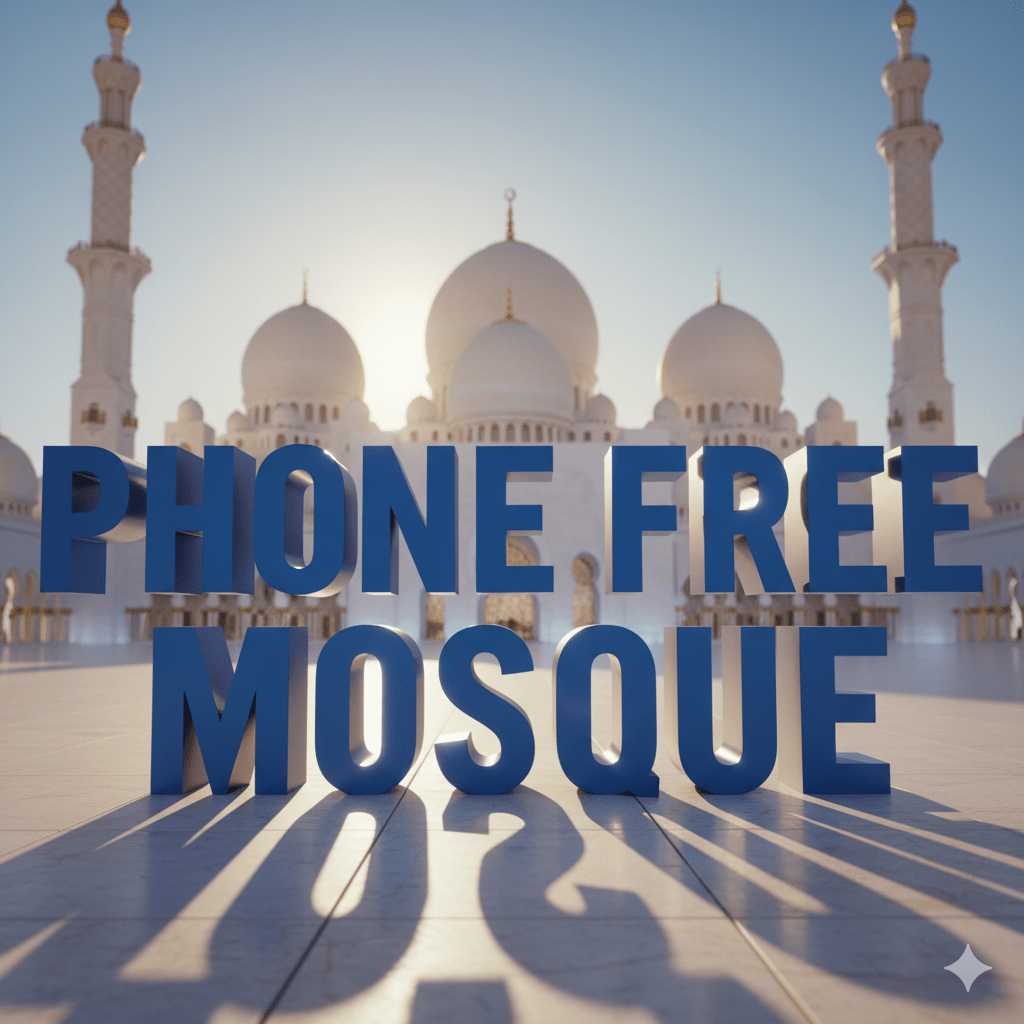
We support truly phone-free Mosques, where our children can focus, think deeply, and practice adab —honoring our tradition of seeking knowledge with presence and humility.
4. Real-World Freedom Over Virtual Escape
We choose more real-world independence—walking with friends, helping at home, serving the community, joining real activities—so screens are not their only “door” to the world. We want courageous, capable, street-smart Muslims, not kids hiding in a virtual life.
In Wiqayah Family Alliance, we stand shoulder to shoulder—offering kindness, duʿā, and honest support—so no parent feels alone in protecting their children’s hearts.
Supporting One Another as One Ummah
In Wiqayah Family Alliance, we believe we are not meant to walk this path alone. As Muslim parents in the West, we share the responsibility of supporting one another in this dunyā so that our children are not swept away by unfiltered trends, values, and ideals that contradict their fitrah and their dīn. Together, we create a circle of families who remind each other of Allah, strengthen Islamic identity, and offer real alternatives to the empty distractions of modern culture. By standing side by side—sharing resources, pledges, duʿā, and practical strategies—we work to raise children who feel proud to be Muslim, confident in who they are, and rooted in timeless guidance even as they live and thrive in the modern world.
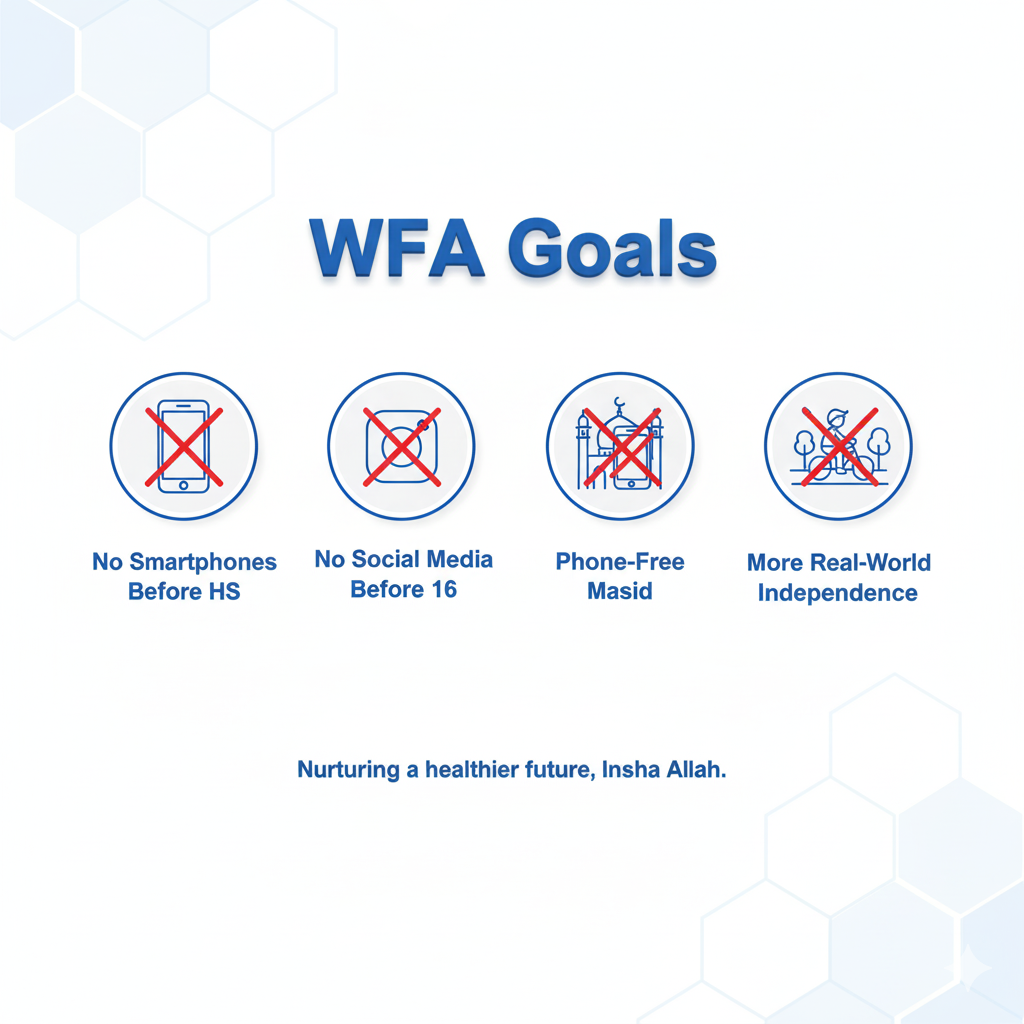
1. Wiqayah Home Starter Guide
A one-page overview of the WFA goals (no smartphones before HS, no social media before 16, phone-free masjid, more real-world independence).
A step-by-step “First 14 Days” plan to reset phone rules at home.
Conversation prompts to use with kids:
- “Why are we changing our phone rules?”
- “What do you wish adults understood about screens?”
A simple checklist:
Decide “red zones” (masjid, Qur’an time, family meals, car rides, etc.)
Set charging station
Remove phones from bedrooms
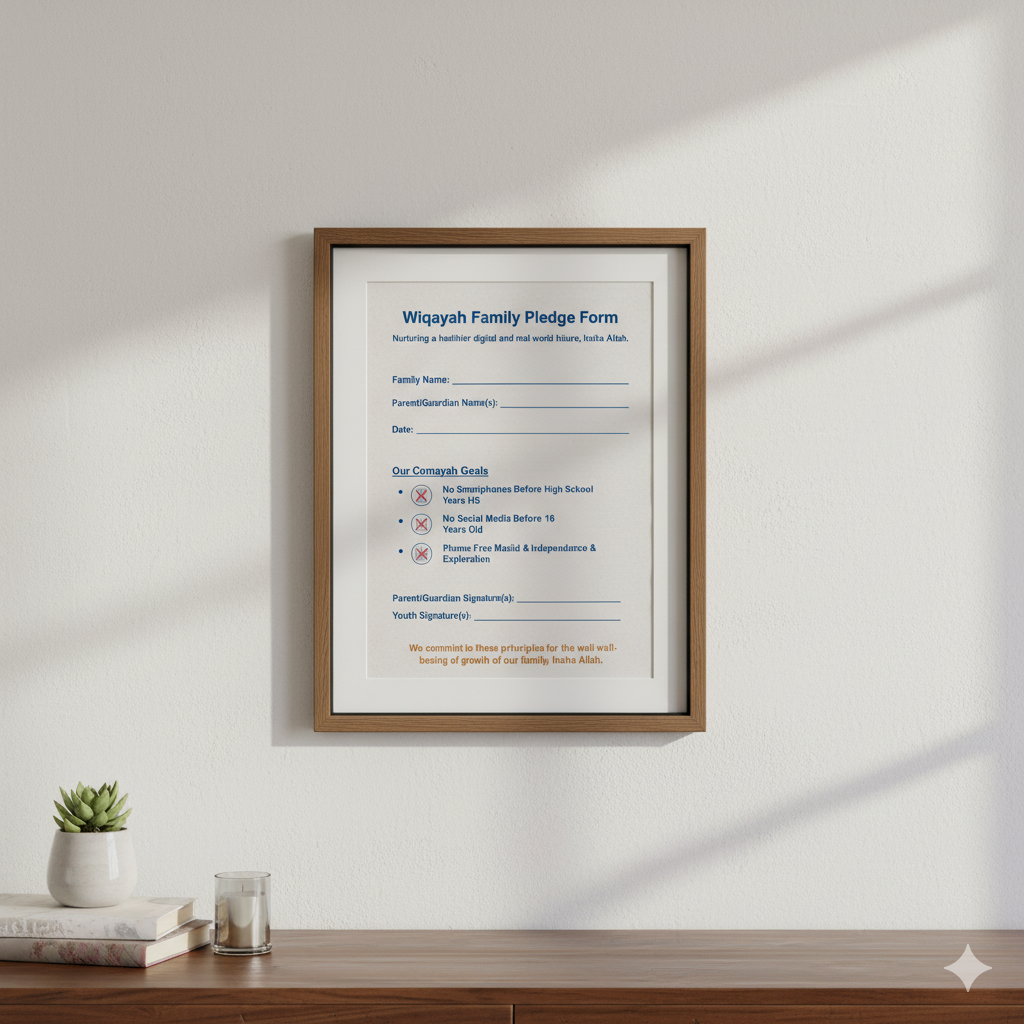
2. Wiqayah Family Pledge Form
Space for family name and date.
Clear bullet pledges, e.g.:
- “We will keep phones out of the prayer area in the masjid.”
- “We will not give a personal smartphone before high school.”
- “We will keep phones out of bedrooms at night.”
- “We will choose Qur’an, reading, play, or service before scrolling.”
Signature lines for parents and children.
A short duʿā at the bottom asking Allah to protect their hearts.
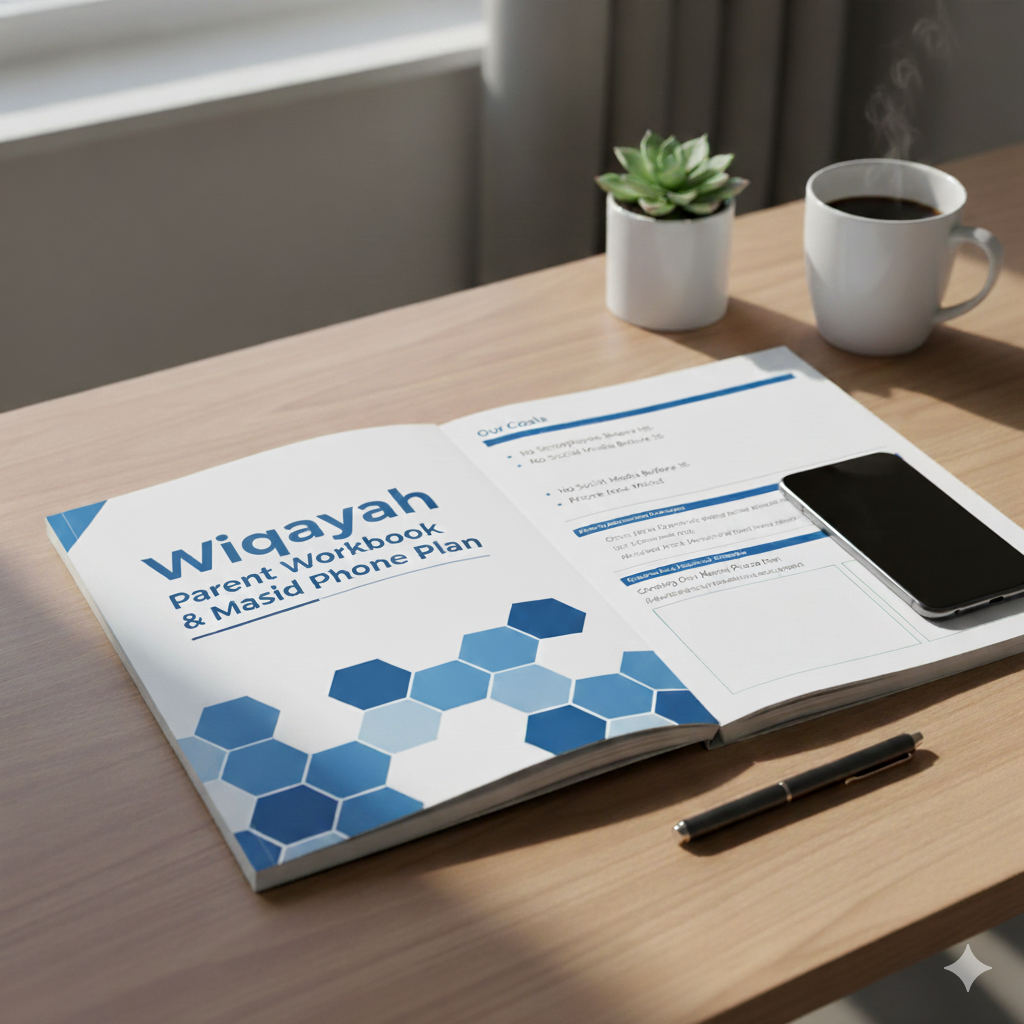
3. Wiqayah Parent Workbook & Masjid Phone Plan
Reflection pages:
- “How are phones affecting my child’s salah, manners, and sleep?”
- “Where do I feel most stuck or guilty?”
A Masjid Phone Plan page:
- What is allowed/not allowed in the masjid?
- Where will phones stay during salah/khutbah?
- What offline alternatives will I bring for my kids? (books, dhikr beads, quiet activities)
Scripts for parents:
How to kindly remind other parents: “We’re trying a phone-free masjid for our kids, would you like to join us?”
How to explain the new rule to kids.
How to talk to grandparents/relatives.
Let’s Protect Our Kids’ Hearts: Help Us Create a Phone-Free Masjid Space
HELP START THE MOVEMENT, Insha Allah
As-salāmu ʿalaykum dear parents,
Many of us have noticed how smartphones are slowly creeping into our most sacred space—our masjid. Children (and adults) are scrolling during khuṭbahs, playing games in the back, and sometimes even watching inappropriate content while sitting in the house of Allah.
As part of Wiqayah Family Alliance, we want to start a local initiative to remove smartphones from the masjid space—not by shaming anyone, but by building a loving, united standard that protects our children’s fitrah and teaches them respect for the masjid. But we cannot do this alone.
If you’re willing to help shape this initiative—planning, ideas, or just being part of the voice that supports it—please email mslamialearns@gmail.com with the subject “PHONE FREE MOSQUE”
We need your help.
Here’s how you can support this effort:
- Join in the administration and planning
- Support clear messaging (signs, announcements, reminders) that kindly ask families to keep phones away in the prayer area.
- Offer alternatives for kids (books, quiet activities) so they’re not tempted to reach for a device.
- Model the change by keeping our own phones away and inviting our children to treat the masjid as a special, screen-free place.
Together, with non-judgmental encouragement and kindness, we can make the masjid a place where our kids feel present, peaceful, and connected to Allah—without a screen in their hands.
Jazākum Allāhu khayran,
Phone Alternatives That Support Wiqayah
Not every child needs a full smartphone. For families trying to guard fitrah while still staying safely connected, there are growing options that reduce distractions, block harmful content, and keep the phone a tool instead of a toy.
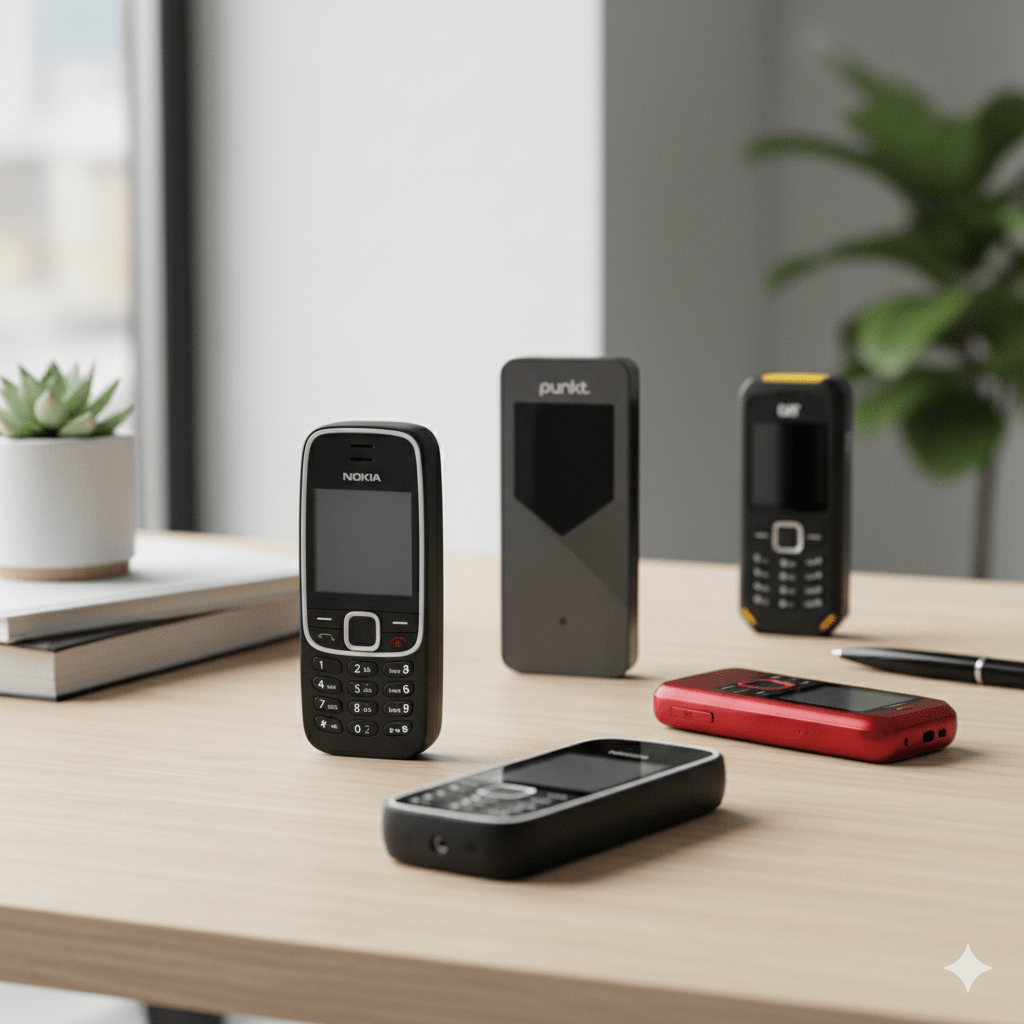
Minimalist “Brick / Block” Phones (Feature Phones)
- So-called brick or block phones are simple feature phones that focus on calling and basic texting only.
- Kids who need a way to call parents or emergency contacts
- Teens who travel to school alone but don’t need apps
- Adults who want a “masjid phone” or “travel phone” without endless distractions
- These align beautifully with the Wiqayah idea: connection without corruption, safety without scrollin
Troomi – A Kid-Safe Smartphone That Grows With Them
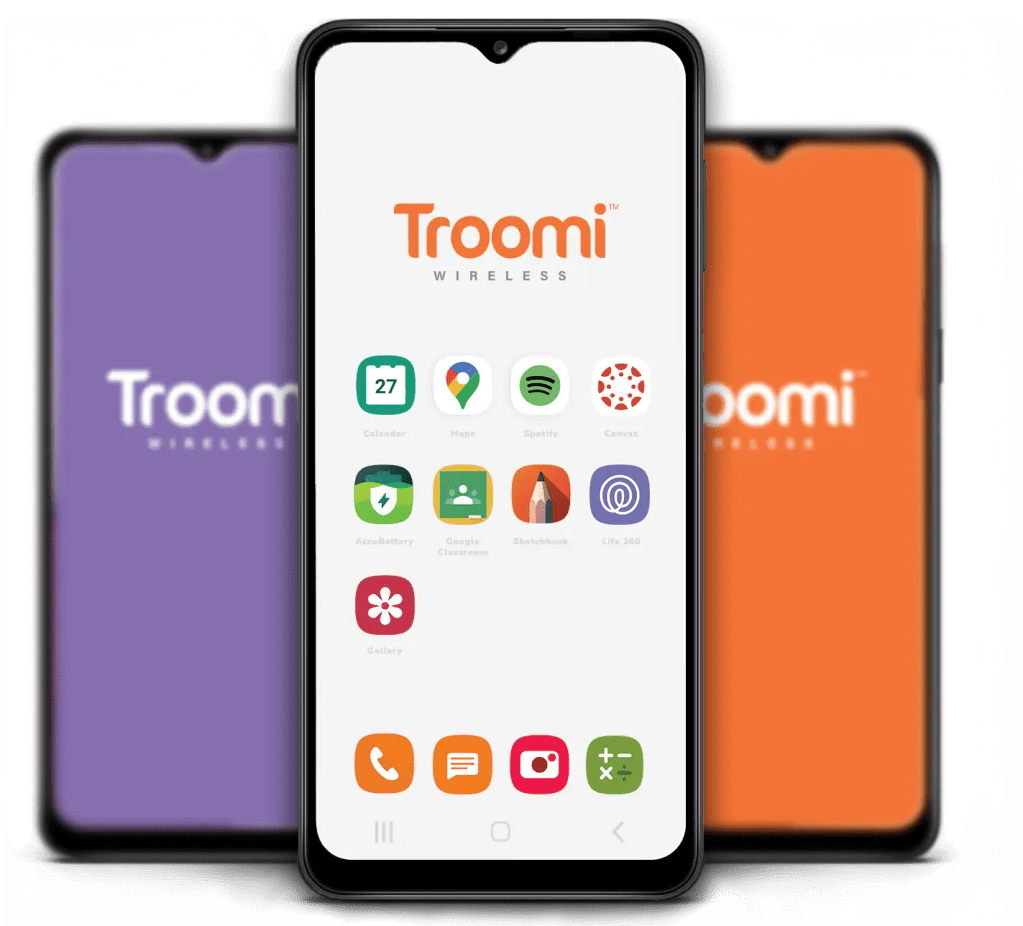
- Troomi is a kid-safe smartphone system that uses its own software (KidSmart OS) on a regular Android phone. Parents control which contacts are allowed, which apps can be installed, daily screen time, and GPS location—all from a parent dashboard. By default, there is no social media, no open app store, and no unrestricted browser, but you can gradually enable more tools as your child matures.
- Older kids and teens who need maps, calls, and certain apps
- Families who want strong Islamic guidelines (no TikTok/Instagram/Snapchat by design)
- Parents who want to delay full freedom but still give supervised communication and learning tools
Live Lecture
TBA
Live Online
coming soon
TBA
Live Online
coming soon
TBA
Live Online
coming soon
TBA
Live Online
coming soon
WFA Mailing List
Stay in the loop with everything you need to know.
 Ms. Lamia Learns